
Step Behind the Yellow Tape: Learn Crime Scene Investigations & Forensic Science in this Accredited Online Course
Learn real crime scene investigation skills — not TV drama and earn a certificate accredited by the American Accreditation Association (AAA)
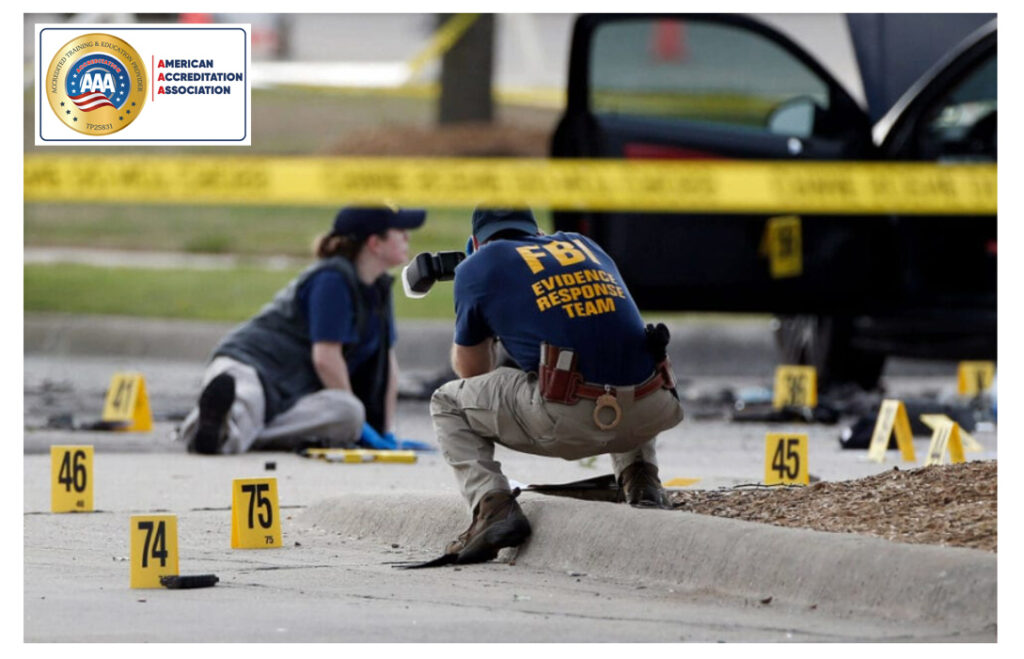
Every crime scene tells a story. The question is — can you read it? This course takes you beyond the glossy drama of television and into the real techniques’ investigators use to uncover the truth. With 36 years of law enforcement and forensic experience, let Michael Ullemeyer guide you step by step through the methods professionals use in the field and in the lab.
Are you Ready To....
Learn how to compare fingerprints and positively identify the suspects.
Analyze blood patterns within a crime scene to re-create the events that occured.
Conduct a search for biological material and obtain usable samples.
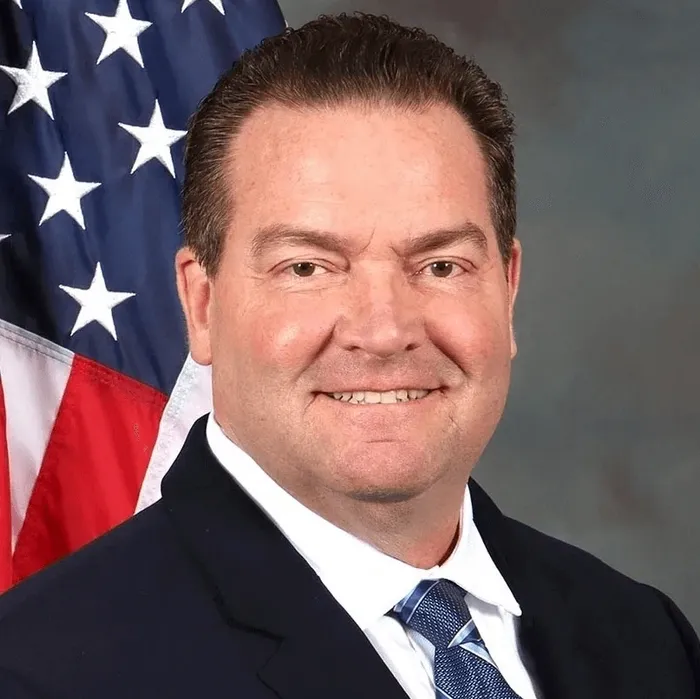
Michael Ullemeyer
Professor, Administration of Justice, Santa Barbara City College
Retired, Forensic Unit Supervisor, Santa Barbara Sheriff’s Department
Helping Students learn Forensic Science for the past 20 years.
Hello, I’m Michael Ullemeyer, your professor, and I’m delighted that you are taking this class with me. Welcome to my Forensic Academy Series,CSI: Crime Scene Investigation online course.
I hope you find that subject as interesting and engaging as I found it during my 36-year investigative career with both the Santa Barbara Sheriff’s Department and Santa Barbara Police Department. I’m excited to share with you my Crime Scene Investigation experiences. In this class, you will learn about the functions of a forensic scientist, the techniques of physical evidence processing and the investigative analysis of crime scenes.
What's inside?
Explore how popular crime shows shape public expectations of forensic evidence—and how this impacts real investigations and courtroom outcomes. Learn why eyewitness testimony can be powerful, yet unreliable, and how memory, stress, and suggestion influence what people believe they saw.
Build a strong foundation in forensic science by understanding the different types of physical evidence—what they are, how they’re collected, and why they matter. This module introduces the core principles that drive every successful investigation.
Discover how tiny, often overlooked materials can create powerful links between people, places, and events. Learn how forensic scientists analyze paint, glass, and soil to uncover hidden connections and strengthen cases.
Examine how microscopic hair and fiber evidence can link suspects to victims and crime scenes. This module highlights how even the smallest transfers can provide critical investigative leads.
Learn how firearms leave unique “fingerprints” on bullets and casings. This module explains how experts match ammunition to specific weapons and reconstruct shooting events with scientific precision.
Uncover how tools, shoes, and tires leave behind distinctive marks that can identify suspects and reconstruct actions. These impressions often reveal what happened when no one else was watching.
Dive into one of the most trusted forms of forensic identification. Learn how fingerprint patterns are analyzed and matched to individuals with a high degree of certainty.
Go beyond visible prints and learn how investigators reveal hidden fingerprints using powders, chemicals, and specialized lighting. This module shows how invisible evidence becomes courtroom-ready proof.
Learn how bloodstains tell the story of a crime. This module teaches how analysts interpret patterns to determine actions, movements, and sequences of events during violent incidents.
Gain insight into how experts determine cause and manner of death. Explore autopsies, postmortem changes, and the science used to uncover the truth behind suspicious or unexplained deaths.
Master the techniques used to accurately capture and document crime scenes. Learn how proper photography and reporting preserve critical details for analysis and courtroom presentation.
Understand the step-by-step approach to processing a crime scene. This module emphasizes proper procedures to ensure evidence is found, preserved, and protected from contamination.
Explore how digital evidence is recovered and analyzed from computers and storage devices. Learn how investigators uncover files, emails, and deleted data to solve both cyber and traditional crimes.
Discover how smartphones and mobile devices reveal critical evidence. This module covers the extraction and analysis of texts, call logs, GPS data, and more to track activity and build cases.
Join Over 500 Students just like you
My students have successfully completed this CSI: Crime Scene Investigation online course, showcasing their dedication and passion for learning. Their achievements reflect the course’s effectiveness in equipping them with foundational forensic skills and kowledge, empowering them to make a meaningful impact in the field.

Cassidy Rae Hajducko
CSI: Course Graduate
Melissa Sandoval
Senior Crime Scene Investigator Santa Barbara County Sheriff’s Office
Enrolling in the CSI: Crime Scene Investigation course was a game-changer for me. As a True Crime Blogger, I wanted to provide my audience with accurate, professional insights into how crime scenes are really investigated. This course gave me the tools, terminology, and confidence to explain forensic concepts clearly and credibly. Since completing the training, my content has become more detailed, engaging, and respected by my readers. I can honestly say this class elevated my blog and helped me grow in the true crime community.
Joey Ortega
Host, Author, Actor Behind the Yellow Line – Online blog
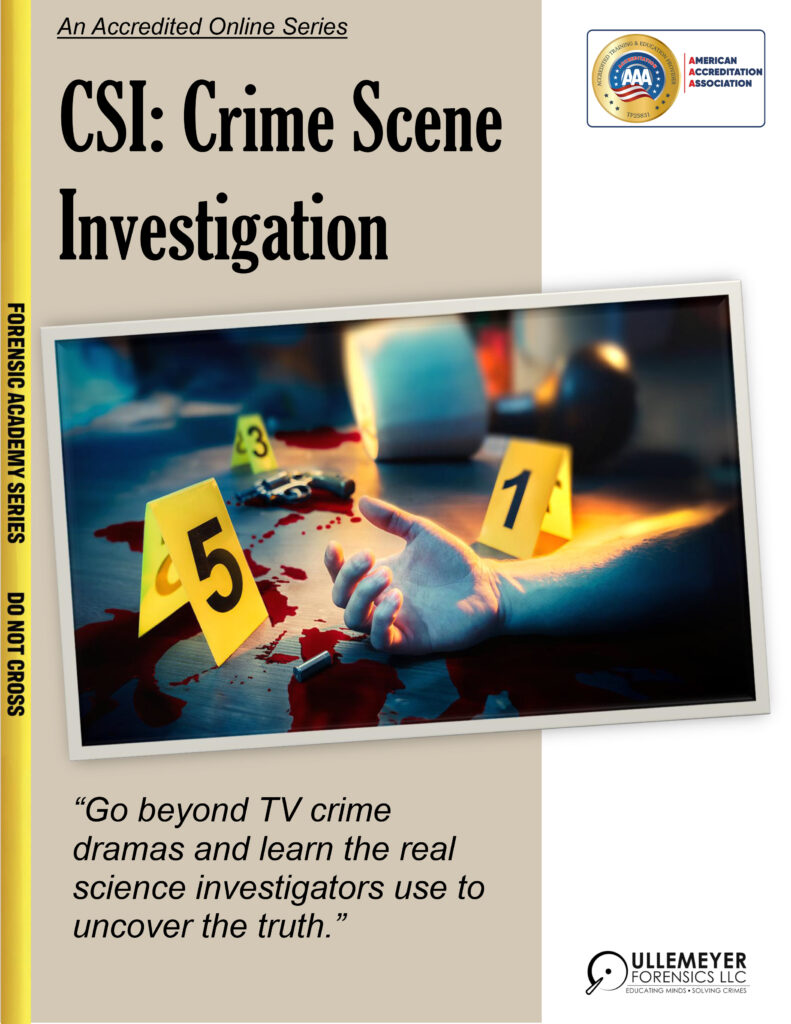
CSI: Course Handout
Download Your Free CSI Course Handout
Get an exclusive inside look at the world of real crime scene investigation with this free CSI course guide. This preview booklet introduces you to the fundamentals of forensic science while giving you a hands-on fingerprint comparison exercise—just like the work performed by professional investigators.
You’ll experience how critical thinking, pattern recognition, and attention to microscopic detail come together to solve cases. It’s more than just a sample—it’s your first step into the mindset of a forensic expert, where every clue matters and solving the puzzle becomes both challenging and highly addictive.
Frequently Asked Questions
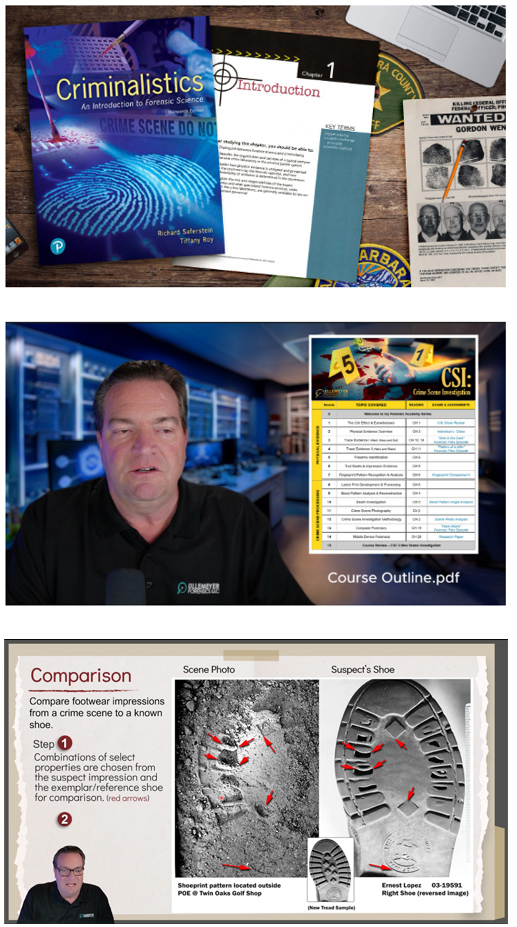
No, a textbook is not required; however, the recommended textbook; Criminalistics: An Introduction to Forensic Science is suggested should you desire additional reference material.
The total cost of the course is $195, which includes access to all modules and course materials.
You will have direct access to instructor support via email for any questions or guidance throughout the program. Your enrollment includes one 30-minute Zoom meeting to ask questions and for introductions. Additional Zooms “Coaching” meetings can be purchased as needed.
The course walks you through a structured 14-module progression covering crime scene recognition, documentation, evidence handling, and forensic analysis from start to finish. Each module contains a “To Do List” to complete before moving on. Includes viewing several lecture videos, downloading handouts and completing assignments.